
Beyond the Drawing Board: The Power of Engineering Workflow Automation
Beyond the Drawing Board: The Power of Engineering Workflow Automation
![[HERO] Beyond the Drawing Board: The Power of Engineering Workflow Automation](https://cdn.marblism.com/YpFXaFVCNgM.webp)
For a long time, the world of mechanical engineering was defined by the boundaries of the drawing. We focused on the geometry, the tolerances, and the material specs. But in the modern manufacturing landscape, the "drawing" is just the tip of the iceberg. The real challenge: and the real opportunity: lies in what happens to that data once the designer hits "save."
If your engineering team is spending hours manually exporting Bills of Materials (BOMs), re-entering part numbers into an ERP, or chasing down design approvals via email, you aren't just losing time. You are losing the competitive edge that comes from a truly integrated digital thread. This is where engineering workflow automation moves from being a "nice-to-have" to a fundamental business requirement.
At Aboni Tech, we see this transition every day. We help companies move beyond the drawing board by streamlining how data moves between people, software, and departments.
the evolution of cad automation
We’ve moved far beyond simple macros that automate a single feature in a 3D model. Modern cad automation is about creating intelligent systems that understand the context of a design. Instead of just drawing a bracket, an automated system can check that bracket against inventory standards, calculate its manufacturing cost in real-time, and automatically generate the necessary production documentation.
When we talk about automation in this context, we are looking at:
- Design standardization: Ensuring every engineer follows the same logic, which makes downstream automation possible.
- Generative workflows: Using logic-based rules to drive geometry, reducing the time spent on "same-but-different" custom orders.
- Metadata management: Ensuring that every file carries the correct descriptions, material codes, and revision statuses from the moment it’s created.
By mastering these elements, we facilitate a design environment where the software does the heavy lifting of data management, leaving the engineer free to focus on actual innovation.
breaking down the departmental silos
One of the biggest hurdles in any manufacturing firm is the "wall" between engineering and the rest of the company. Traditionally, engineering finishes a design and "throws it over the wall" to procurement or production. This creates a massive bottleneck.

Engineering workflow automation acts as the bridge over that wall. When your CAD system is integrated with your ERP or PLM, the data flow becomes bi-directional.
- Procurement sees long-lead items the moment they are added to a preliminary BOM.
- Production gets access to the latest revisions without having to hunt through a file server.
- Sales can receive accurate lead times because the system knows exactly how much work is currently in the engineering pipeline.
Connecting these departments ensures that everyone is working from a "single source of truth." No more manufacturing a part based on an outdated PDF because someone forgot to hit "print" on the latest revision.
the hidden cost of the human bridge
We often talk to companies that rely on what we call the "human bridge": a dedicated person (or group of people) whose entire job is to copy data from one system and paste it into another. While humans are great at many things, they are statistically terrible at repetitive data entry.
Manual data entry leads to:
- Typographical errors: A single misplaced digit in a part number can lead to thousands of dollars in scrapped material.
- Information lag: If your "human bridge" is out sick or busy with another project, the rest of the company is working with stale data.
- Employee burnout: Talented engineers didn't spend years in school to spend four hours a day managing spreadsheets.
By implementing mechanical engineering automation, we eliminate the need for this manual intervention. We connect your tools directly. Whether it’s syncing Autodesk Inventor data with a SQL database or pushing Solidworks configurations to a web-based configurator, the goal is to make the data move invisibly and accurately.
facilitating seamless communication through automation
Good communication is the lifeblood of a successful project, but "more meetings" isn't the answer. Automation provides a different way to communicate: through data transparency.
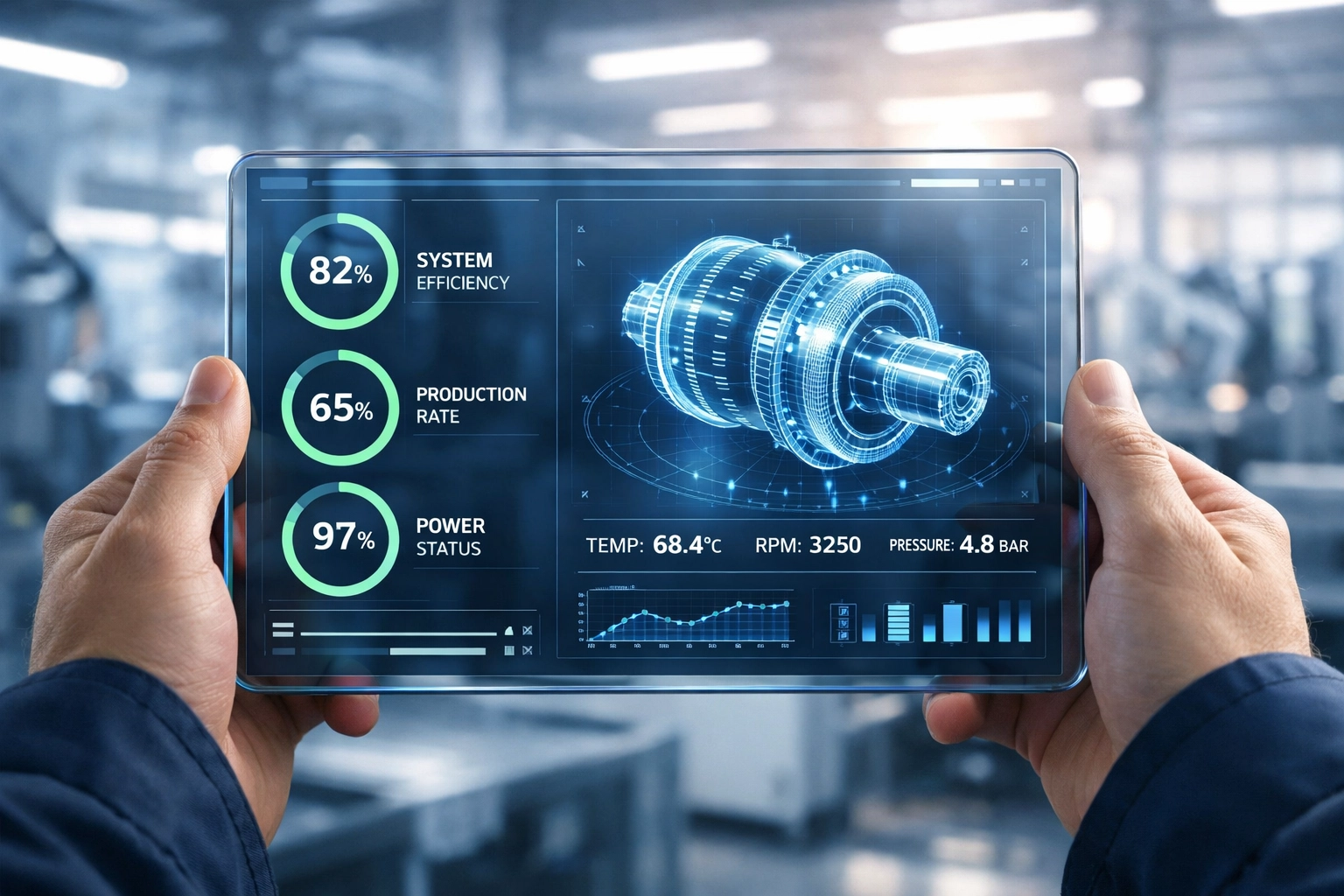
When a workflow is automated, the status of a project is always visible. We use automated triggers to keep stakeholders informed without requiring a manual update. For example:
- Automated notifications: When a design passes a specific lifecycle state, the shop floor manager receives an automated alert with a link to the production files.
- Real-time dashboards: Management can see exactly how many designs are in "Review" vs. "Released" status, allowing for better resource allocation.
- Streamlined approvals: Digital sign-offs replace physical folders, speeding up the transition from design to manufacturing.
This level of transparency reduces friction and ensures that projects don't stall because they're sitting in someone's inbox.
scaling your capabilities without scaling your headcount
The dream of every growing company is to increase output without exponentially increasing overhead. Automation is the only way to achieve this in the engineering world.
Think about the repetitive tasks your team performs. If you can automate 20% of the administrative tasks for five engineers, you’ve effectively gained a sixth engineer for free. This is the power of engineering workflow automation. It allows your team to handle a higher volume of projects with the same level of precision and quality.
At Aboni Tech, we specialize in identifying these bottlenecks. We look at your current process, find the points of friction, and build the software integrations necessary to smooth them out. We excel at making complex systems talk to each other so your team can excel at what they do best: engineering.
ensuring data consistency across the enterprise
Consistency is the foundation of quality. If your CAD data says one thing and your ERP says another, you have a recipe for disaster. Automation ensures that data consistency is baked into the process.
We focus on:
- Automated validation: Checking designs for common errors or missing metadata before they are allowed to move to the next stage.
- Synchronized libraries: Ensuring that the components used in CAD match the inventory available in the ERP.
- Standardized outputs: Automatically generating DXFs, PDFs, and STEP files with consistent naming conventions every time a file is saved or released.

This level of rigor ensures that your downstream processes: like CNC programming or automated nesting: can rely on the data they receive. When the data is consistent, the entire manufacturing chain becomes more predictable and reliable.
the journey toward full integration
Moving toward full engineering workflow automation doesn't happen overnight. It’s a journey that starts with identifying the most painful manual processes and addressing them first.
Maybe for your company, the biggest pain point is the BOM export. For another, it might be the design-to-quote process for sales. Whatever the starting point, the goal is the same: to create a seamless, automated flow of information that supports your business goals.
We believe that the future of engineering is not just about better tools, but about better connections between those tools. When your software works together, your people can work together more effectively.
"Automating our design-to-manufacturing pipeline didn't just save us time; it completely changed how our departments interact. The friction is gone."
let’s work together
If you’re feeling the weight of manual processes, or if your engineering data feels like it’s trapped in a silo, it’s time to look beyond the drawing board. At Aboni Tech, we have the technical expertise and the "problem-solver" mindset to help you bridge the gap between engineering and the rest of your business.
We specialize in software integration and engineering automation that makes a tangible difference in your bottom line. We can’t wait to hear from you and learn more about your specific challenges.
Reach out to us today to start the conversation. Let’s build something efficient together.